Read our feather farming exposé
Find out everything you need to know about the cruelty ostriches suffer for fashion.
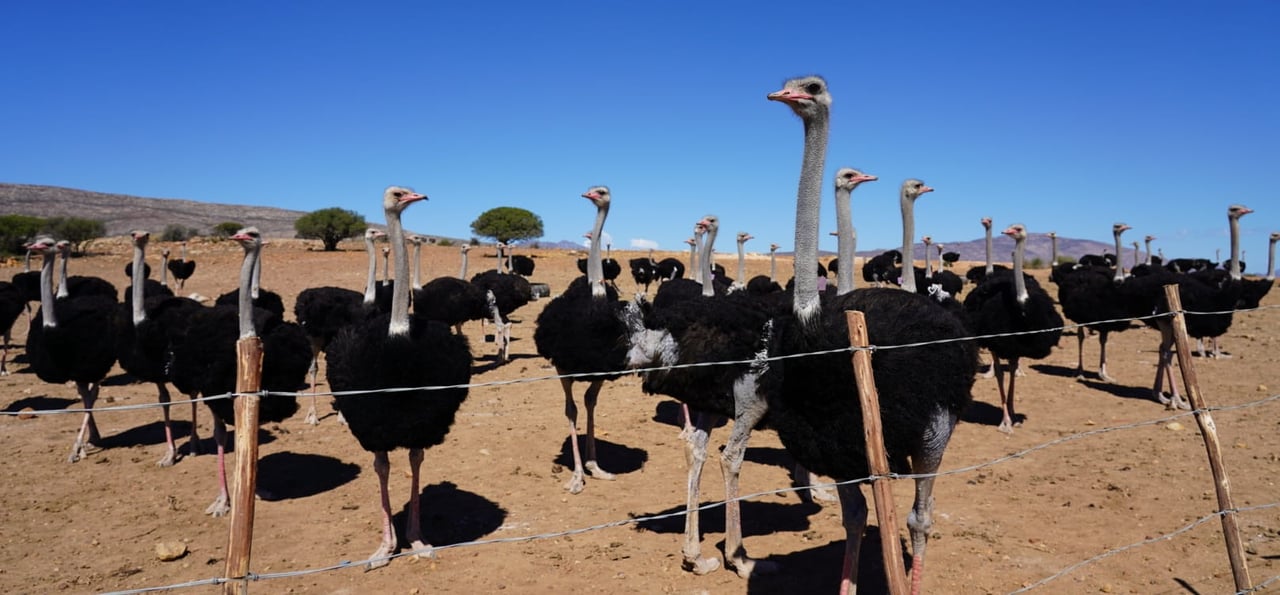
Millions of wild animals are needlessly and horrifically killed every year for the fashion industry’s profit. And while many brands and consumers have moved on from fur, another equally cruel trend has taken its place - feathers.
Most decorative feathers you’ll see used for fashion come from ostriches. Many people think these beautiful and intelligent animals naturally shed their feathers over time. But sadly, the truth is far more disturbing.
Far from being a gentle process, feather production runs on intensive farming, painful plucking and cutting, and rough handling. All designed to maximise profit at the birds’ expense.
Yet the fashion industry continues to promote feathers as a ‘cruelty-free’ alternative, used by brands and designers who have publicly refused to use fur.
Find out everything you need to know about the truth of ostrich feathers used for fashion, as we expose what really happens to these gentle, social animals kept on ostrich feather farms.
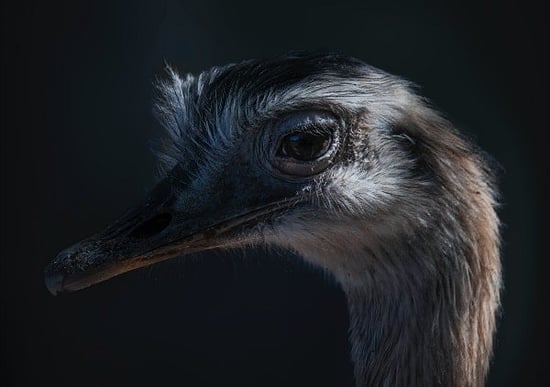
Find out everything you need to know about the cruelty ostriches suffer for fashion.
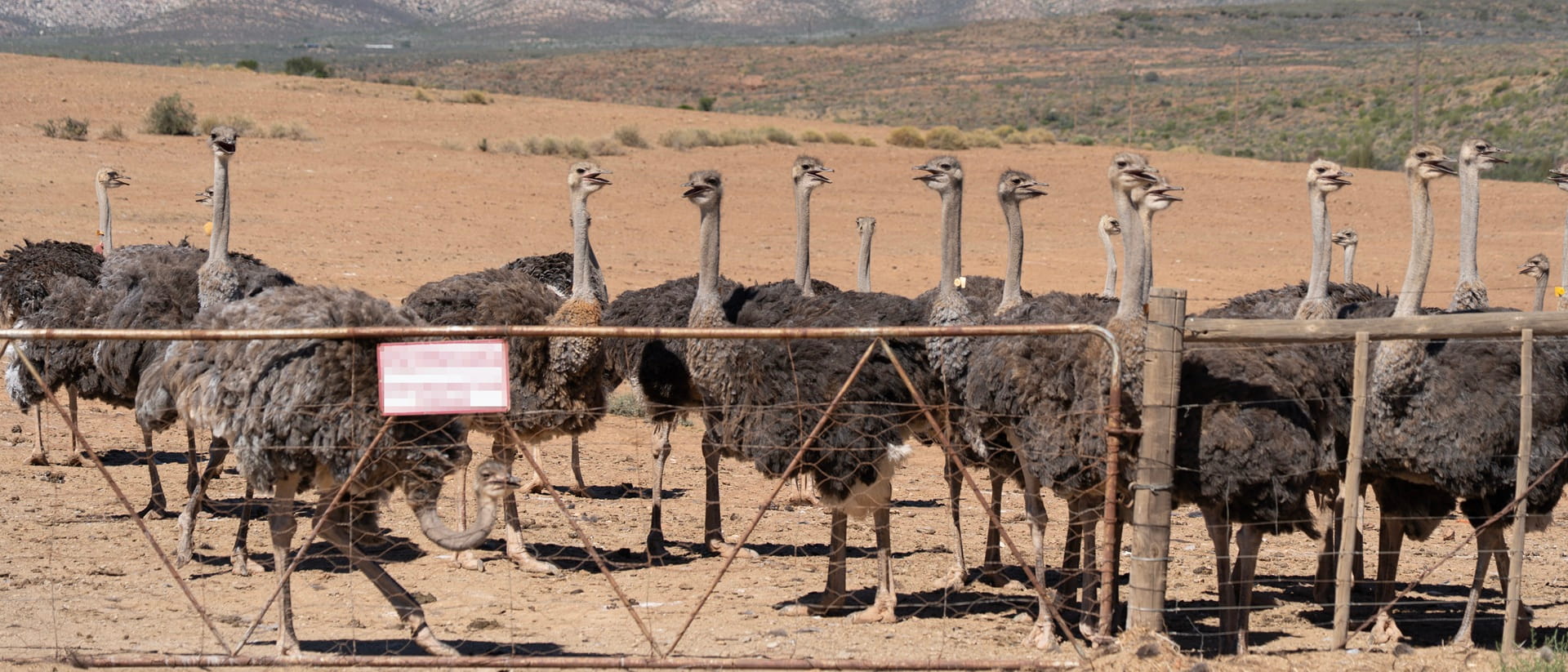
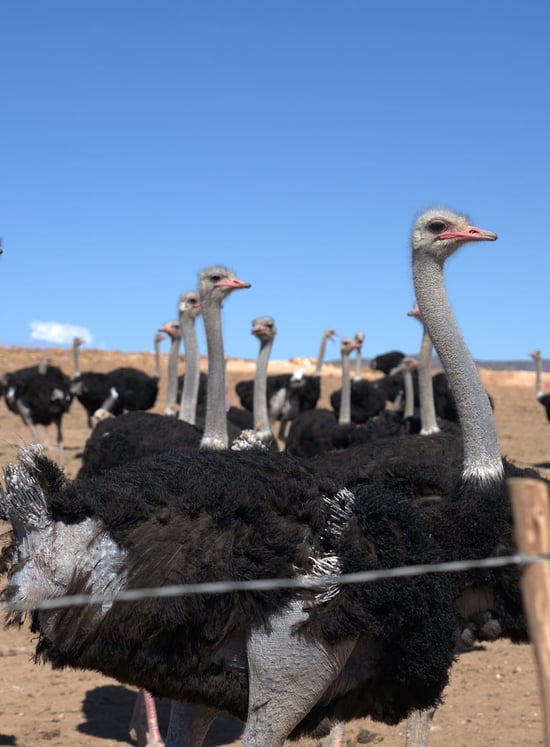
In the wild, ostriches travel vast distances with their herd. Their long powerful legs can help them run up to 70 kilometres an hour. But on feather farms, ostriches are stuck in barren feedlots and forced into unnatural social structures. They spend their lives trapped behind fences while their feathers are often plucked or cut to sell to the fashion industry, before they are eventually killed.
Most ostrich feather farms are found in South Africa. In 2024-25, South Africa exported over 150 tonnes of ostrich feathers around the world, which is enough to fill 12 Olympic sized swimming pools. During this same period, 150,000 ostriches were slaughtered in South Africa for their feathers, meat and skin.
Today, the industrial breeding and slaughter of ostriches for their feathers generates millions of dollars in profit. There are two main kinds of ostrich farms; those that primarily supply high-quality feathers for luxury fashion brands, and those that produce skins, meat and lower-quality feathers.
Though ostrich feathers are often assumed to be a by-product of the meat and skin trade, feathers are often the most profitable part of the industry, especially on farms focussed on producing feathers for the fashion industry. The farms we spoke to confirmed feathers drive the largest profit, even if they also produce skins and meat.

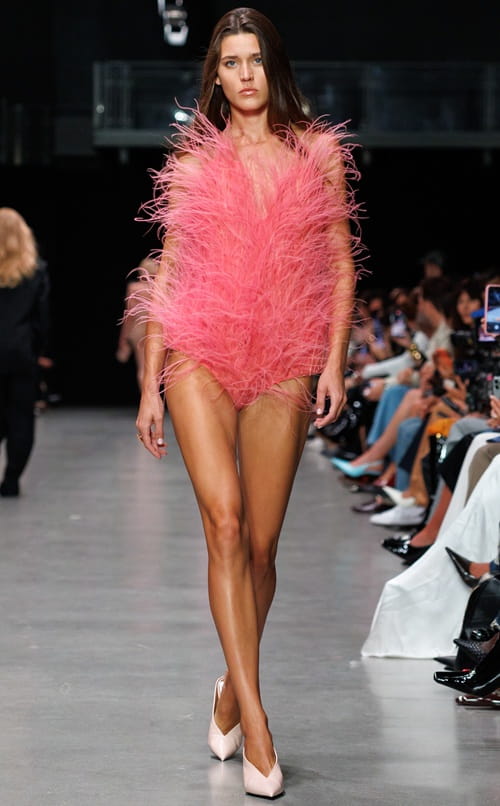
Ostrich feathers are becoming increasingly common in fashion, across big name luxury brands and in fast fashion too. They are used for everything from feather dresses to handbags, shoes and hats.
As fur has fallen out of favour, feathers have taken its place. This material is wrongfully being marketed to us as ‘desirable’ and ‘sophisticated’. But though the material might have changed, the suffering of wild animals remains. The cruelty has just been transferred to a different, innocent wild animal.
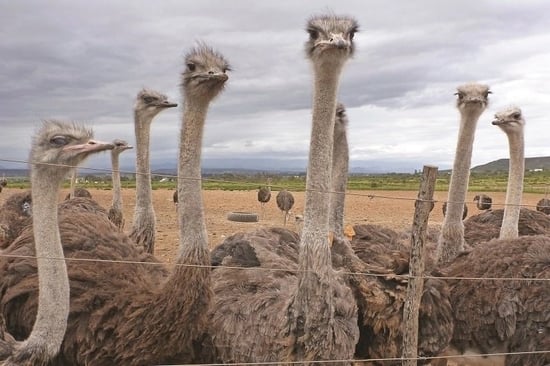
Every year, tens of thousands of these sentient birds are confined to barren feedlots, often to be brutally live-plucked and then slaughtered at as young as nine months.
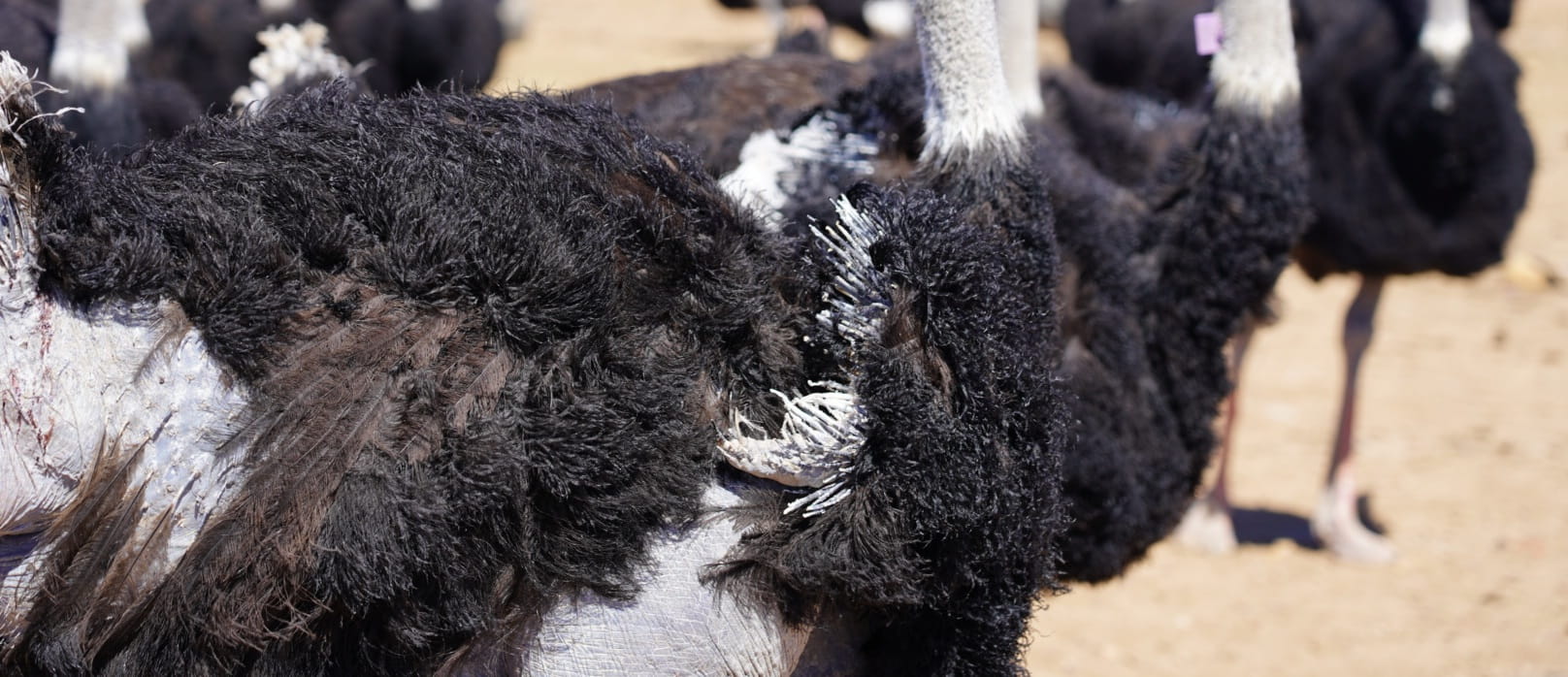
In the wild, ostriches keep their beautiful feathers all year to help protect themselves from harsh weather and cold. They do not go through a natural moulting season.
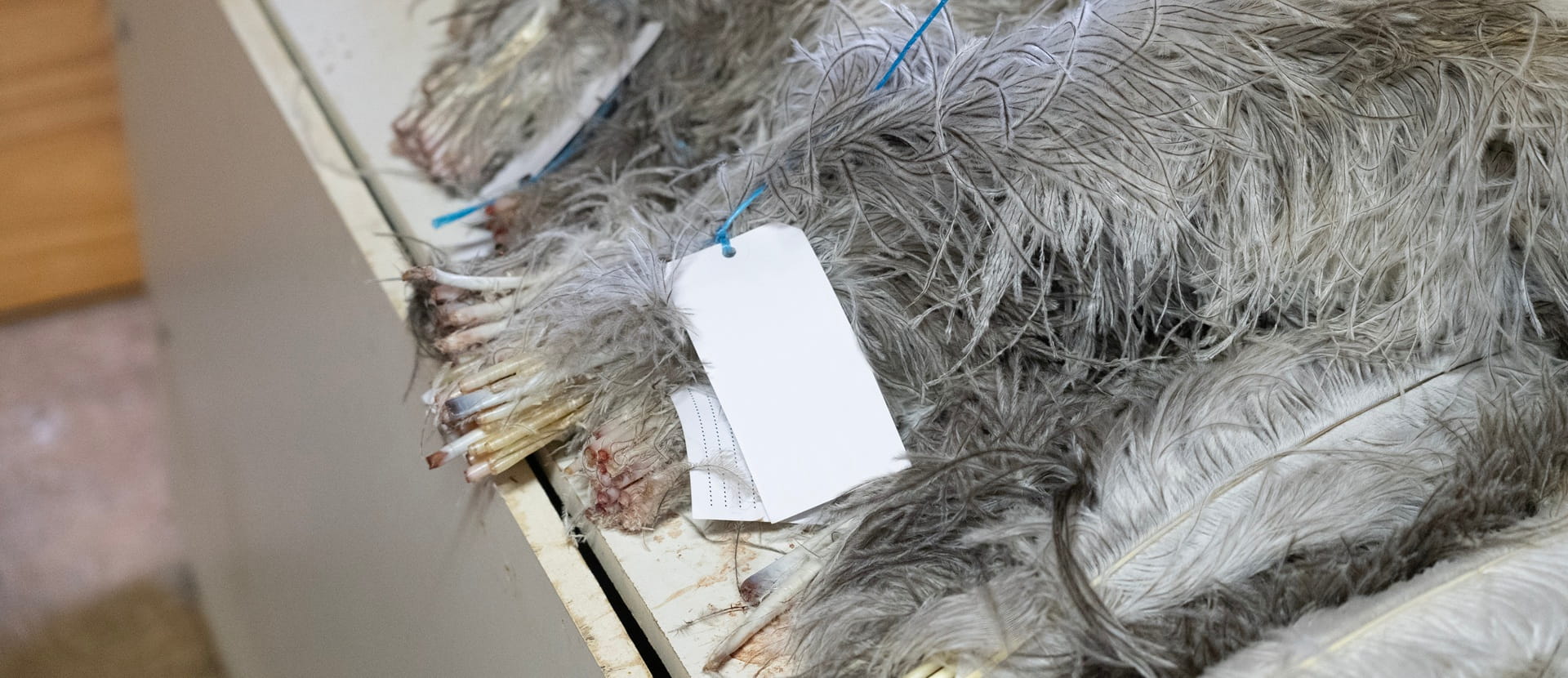
The fashion industry continues to rely on the myth that ostriches regularly shed their feathers, and that any feathers used for fashion have been collected after ostriches naturally lose them. However, a World Animal Protection investigation found it would be impossible for fashion brands to rely on supply from any ‘natural moulting’ to keep up with the scale the industry wants. The demand for ostrich feathers is simply too great. Instead, ostriches endure terrible suffering as their feathers are often either plucked or cut from their skin.
Ostrich farms use multiple cruel methods to extract feathers from an ostrich’s skin: live plucking, feather cutting and post-slaughter plucking.
LIVE PLUCKING:
FEATHER CUTTING:
While many people assume ostriches are not killed for their feathers, there is no feather production system that does not ultimately end in the death of ostriches. Once an ostrich’s feather quality declines as they get older, or if they get sick, they are often sent to a slaughterhouse. Ostriches bred for lower quality feathers are killed at barely one year old. The devastating truth is ostriches are always eventually killed for their feathers.
Ostrich feather production relies on intensive industrial farming, painful live feather removal and rough handling of the animals. This is deliberately designed to allow ostrich farms to make the most amount of money possible.
Ostriches are kept in barren feedlots much smaller than the range they would explore in the wild. These deeply social and emotional animals are forced into unnatural herd groups, resulting in aggression and fights. Many ostriches suffer wounds from pecking at each other’s eyes and feathers. They often don’t have access to plants or the food they would eat in the wild, instead being fed lucerne which doesn’t come close to meeting their nutritional needs.
If an ostrich gets sick or hurt, it’s not uncommon for them to not receive any kind of vet treatment. Instead they are sent off to slaughter as it’s cheaper than providing the care they need. Even inside the truck to the slaughterhouse, ostriches are held upright in slings so they can’t sit down and risk being trampled by the other birds.
Pledge to not purchase, wear or promote any wild animal skins, feathers, or wild animal fur products.
Feathers are everywhere right now - from red carpets at the Met Gala and Oscars, to recent collections from Valentino, Chanel and Dior.
Most luxury fashion brands abandoned fur once customers saw the horrific cruelty animals endured on fur farms. But some still consider ostrich feathers to be cruelty-free despite the immense suffering of ostriches on feather farms. Luxury fashion houses are responsible for boosting this trend, with ostrich feathers trickling down to fast fashion giants like Shein.
Some major global fashion players are making big profits selling ostrich feathers, despite the cruelty. Saks Fifth Avenue, Nordstrom, NET-A-PORTER, Neiman Marcus and REVOLVE all sell garments made with ostrich feathers. Despite our repeated approaches calling for them to do better for animals, these brands all continue to sell feathers with no policy to keep ostriches out of their supply chains.
In good news, some in the industry are choosing kindness and abandoning feathers. Glassons, The Iconic and ASOS have all put policies in place to ban ostrich feathers from their collections.
And Fashion Weeks are shifting too - Melbourne Fashion Week, Australian Fashion Festival and Australian Fashion Week have all introduced wildlife-friendly policies that include a ban on ostrich feathers.
Some fashion pioneers are proving designers can still achieve the movement and lightness of feathers without the cruelty.
Stella McCartney launched her 2026 Spring/Summer collection featuring material innovation ‘FEVVERS’. This entirely plant-based material looks incredibly similar to ostrich feathers, achieving the same floaty, fluffy appearance without needless animal suffering.
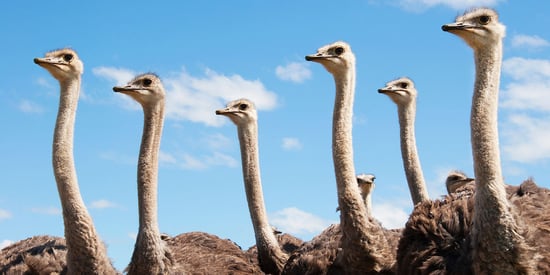
A growing number of fashion brands and industry leaders choose to leave feathers off the runway and out of their collections.
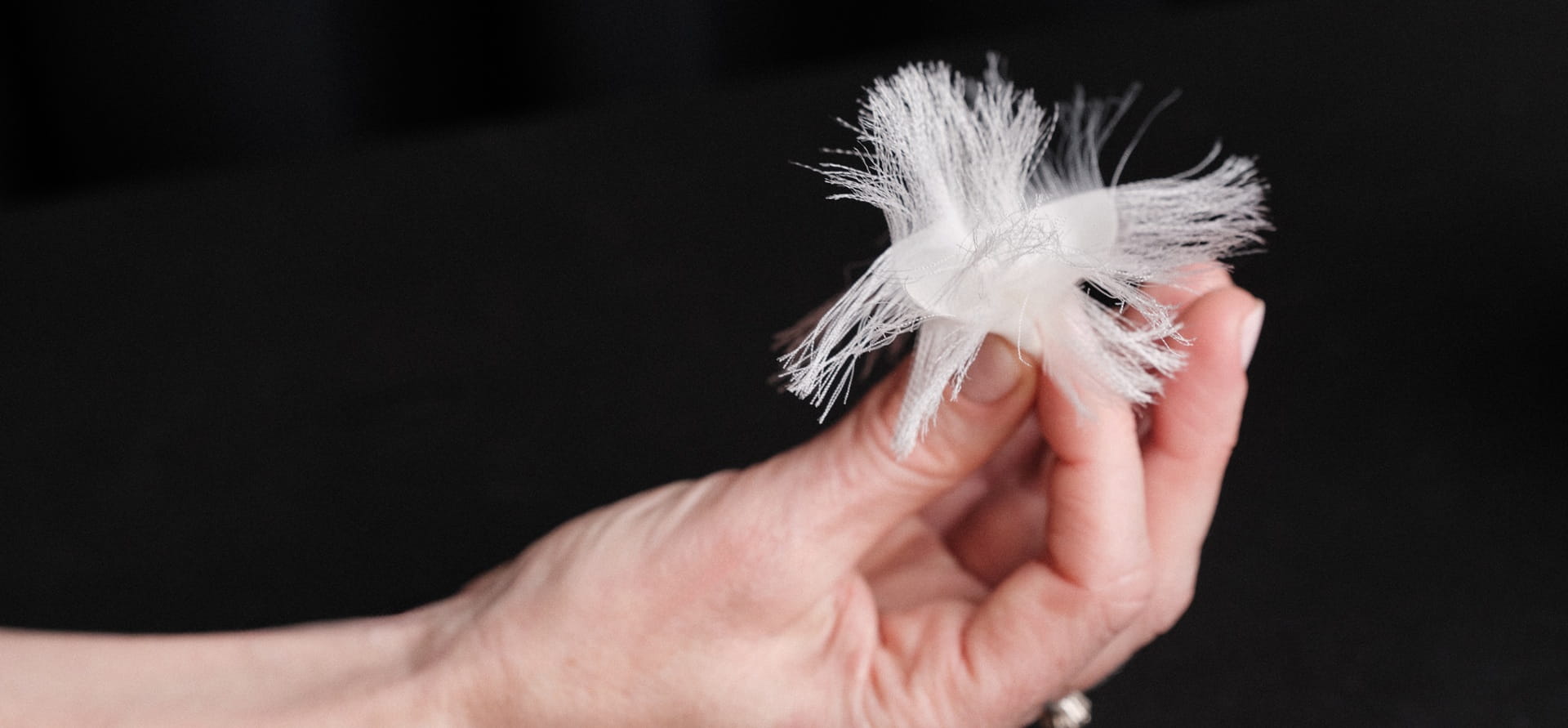

Image credit: Collective Fashion Justice
The fashion industry must act now to leave animal exploitation in the past and instead choose wildlife-free materials.
With your help, together we’re calling on fashion giants to choose a wildlife friendly future.
We’re calling on brands, retailers and fashion week events to adopt clear, time-bound policies to phase out ostrich feathers - and all wild animal materials – for good.
Together we are showing the fashion industry that there is no ethical justification for the use of ostrich feathers.
Magnificent ostriches farmed for their feathers are trapped inside barren yards, left hungry and exhausted.
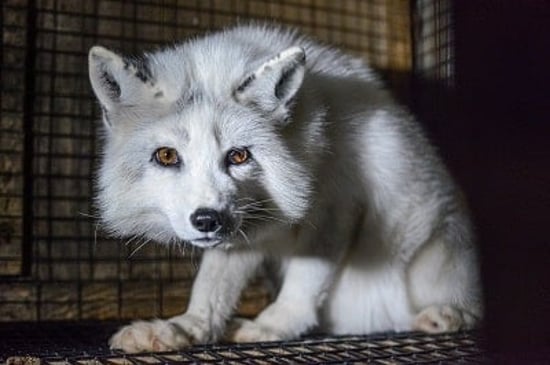
Wild animals used for fashion all endure a short life of objectification and cruelty before a brutal death.