Buy exotic pets | World Animal Protection Skip to main content
Home
Please donate
  • Home
  • Our work
    • Animals in farming
    • Animals in the wild
    • Previous campaigns
    • Global animal protection
    • Reports library
  • Get involved
    • Make a single donation
    • Make a regular donation
    • Become an Animal Protector
    • Leave a gift in your will
    • Gift an eCard
    • Volunteer for animals
    • Donate in memory
    • Workplace Giving
    • Corporate Partnerships
    • Start a fundraiser
    • Shop for merchandise
  • Take Action
    • Call for kinder menu options
    • Stop cruel koala cuddles
    • Pledge to defend dolphins
    • Stop the rise of superbugs
    • Find out if your super harms animals
    • Join the Plant Protein Challenge
    • Help stop cruelty to crocs
    • Help end live export
    • Don't get taken for a ride
    • Pledge not to own an exotic pet
    • Be an animal friendly traveller
    • Sign the Wildlife Selfie Code
  • Education
    • Kids activities
    • Animal facts
    • Animal quizzes
    • Videos: Did you know?
    • Take the virtual tour of Following Giants
  • News
    • Podcasts
    • Webinars
  • About Us
    • Annual achievements
    • How your money is spent
    • Our ambassadors
African grey parrot - Wildlife. Not pets - World Animal Protection

Parrots, otters and tortoises might seem like great pets, but they're not. Keeping them in captivity is cruel

Add your voice
  1. Home ›
  2. Buy exotic pets
Get connected:
  • Facebook
  • Twitter
  • YouTube
  • Instagram
  • LinkedIn

Buy exotic pets

Looking to buy a wild animal as a pet? Hopefully we can change your mind.

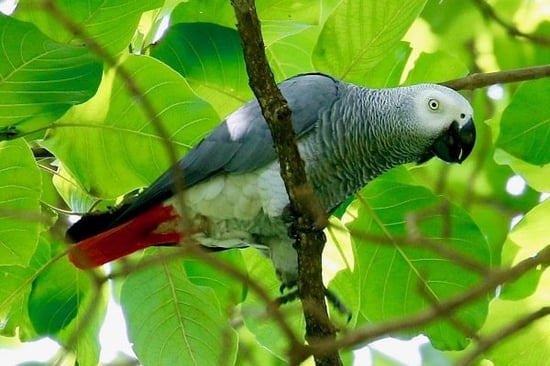
  • Hungry African grey parrots: They eat a vast variety of fruits and seeds. You'll have to spend a lot of time and money foraging for the right food
  • Sickly Asian otters: In captivity, many of these aquatic animals develop painful health problems. Get ready for a sick pet and big vet bills
  • Dying Indian star tortoises: An incredibly high number of pet tortoises die within the first year in the home. Who'd want to lose their pet so soon?

It's simple: no wild animal can have its needs entirely met when kept as a pet. 


Ripped from their homes

Poachers often kill protective otter parents, so they can capture their young before selling them on.

Often, parrots destined for pet shops have been stolen from the wild and have endured immense suffering, such as having their flight feathers chopped off and being crammed into tiny, filthy containers. The majority will die in transit.


African grey parrots being transported

Stress and self harm

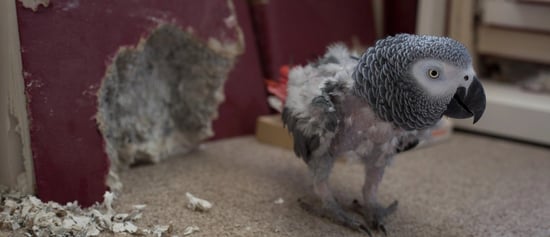
Pet African grey parrots often rip out their own feathers due to stress and boredom. Being trapped in the unnatural environment of a home has serious psychological consequences.

Indian star tortoises are sensItive creatures. Handling them can cause horrible disease and even death.

For more information, read our full report – Wild at Heart: The Cruelty of the exotic pet trade.
Sign our pledge

We're asking you to become a wildlife protector, by pledging not to buy wild animals as pets.

We know people often purchase exotic pets because they’re animal lovers. Animals bring joy to our lives, so it’s understandable that we’d want them to be part of our home.

Many exotic pet owners, however, are unaware of the daily suffering their animals endure.

We encourage everyone to appreciate and respect wild animals where they belong – in the wild. We should only share our homes with domesticated animals who’ve evolved over thousands of years to be our companions, and whose needs can be completely met as pets.

Sign our pledge, and help us protect wildlife by keeping them where they belong. In the wild.

Sign the wild pet pledge

Tell the world

  • twitter
  • facebook
  • linkedin
  • email
  • whatsapp
  • pinterest

Contact us

1300 139 772

Other ways to get in touch.

Keep up to date

Your interest and support is invaluable to us. Sign-up to our mailing list for latest updates.

Sign up for updates

Get connected

Keep up to date and take action on our social media channels.

  • Facebook
  • Twitter
  • YouTube
  • Instagram
  • LinkedIn
  • How your money is spent
  • Donations FAQs
  • Press Centre
  • Cookies and Privacy Policy
  • Terms and Conditions
  • Jobs

World Animal Protection acknowledges the Traditional Owners of country throughout Australia. We pay our respects to their Elders past, present and emerging.

World Animal Protection exists to move the world to protect animals.
© 2014 World Animal Protection Limited (formerly WSPA Australia Limited)
ABN 19 083 297 027 CM 164 00124. Registered Charity Number: CFN 16458.
All donations over $2 are tax-deductible.