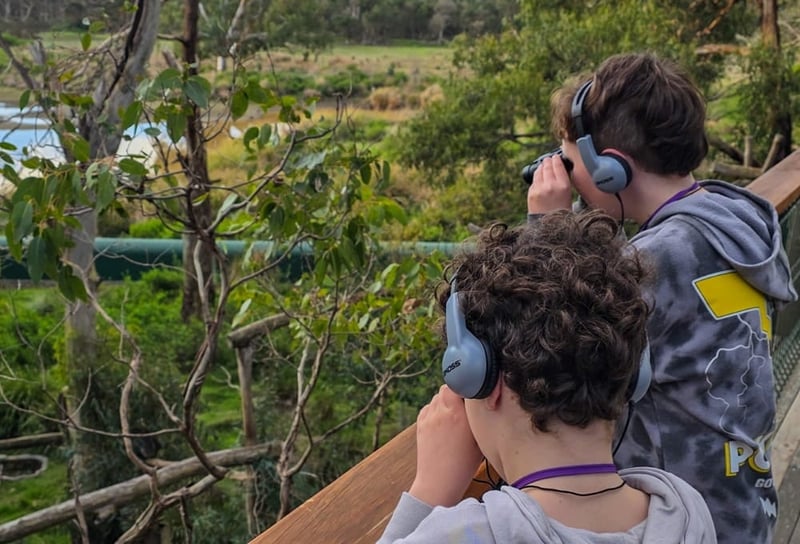
How to choose wildlife experiences that put animals first
News
We invited content creator Jack Rock - also known as ‘That Vegan Dad’ - to share with you his advice on planning family and animal-friendly experiences.
Check out Jack's 'That Vegan Dad' blog
When I became a dad, the way my wife and I travelled changed completely.
These days, holidays aren't just about keeping the kids entertained or ticking attractions off a list. They're about creating memories together and teaching our boys to appreciate the incredible world around them.
Living in Australia, we're incredibly fortunate. We have access to some of the most unique animals on Earth, from koalas, kangaroos, whales, dolphins, wombats, platypuses and so many more amazing animals. We're also incredibly lucky to be surrounded by an amazing network of national parks, nature reserves and protected coastal areas, giving us the opportunity to see many of these incredible animals living freely in their natural habitat.
Over the years, I've realised that not all wildlife experiences are created equal. As a family, we've become much more intentional about the places we visit and the experiences we choose. It's not about being perfect or judging anyone else's choices, as we've all learnt things over time, it's simply about making kinder decisions now that we know more.
Below are some simple rules I now use whenever we're choosing a wildlife experience with our kids.
1. Whenever possible, we choose to see animals in the wild
Nothing compares to seeing wild animals where they're meant to be.
One of the most memorable experiences we've had as a family recently was heading out on a dolphin and whale watching cruise. There were no fences, no scheduled performances and no guarantees. We simply headed out into the open ocean hoping to catch a glimpse of Australia's incredible marine life.
The three-hour cruise was almost over, and it seemed that we weren’t going to see any dolphins or whales, however when the dolphins suddenly appeared alongside the boat, surfing the waves and swimming completely on their own terms, it was honestly magical.
The boys couldn't stop smiling.
What made the moment so special wasn't that the dolphins entertained us, it was that we were simply lucky enough to witness a tiny part of their day.
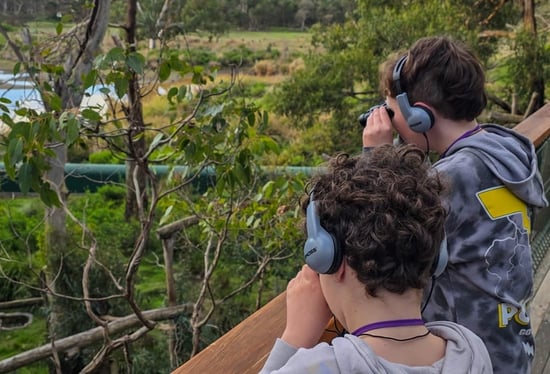
We've been lucky enough to spot kangaroos, koalas, echidnas and even wombats simply by heading out on family bushwalks and seeing them living naturally in the wild.
Those are the moments that stay with you.
When wild animals are free to behave naturally, every encounter feels authentic because nothing has been staged.
2. We look for places that put animal welfare first
Sometimes seeing wildlife in the wild isn't possible, and that's okay.
There are some fantastic wildlife sanctuaries and animal sanctuaries across Australia doing incredible work rescuing, rehabilitating and protecting animals.
When my wife and I are researching places to visit, we ask a few simple questions:
- Is animal welfare the priority at these locations?
- Is the experience educational?
- Are the animals there because they genuinely need care?
- Are they being respected rather than used for entertainment?
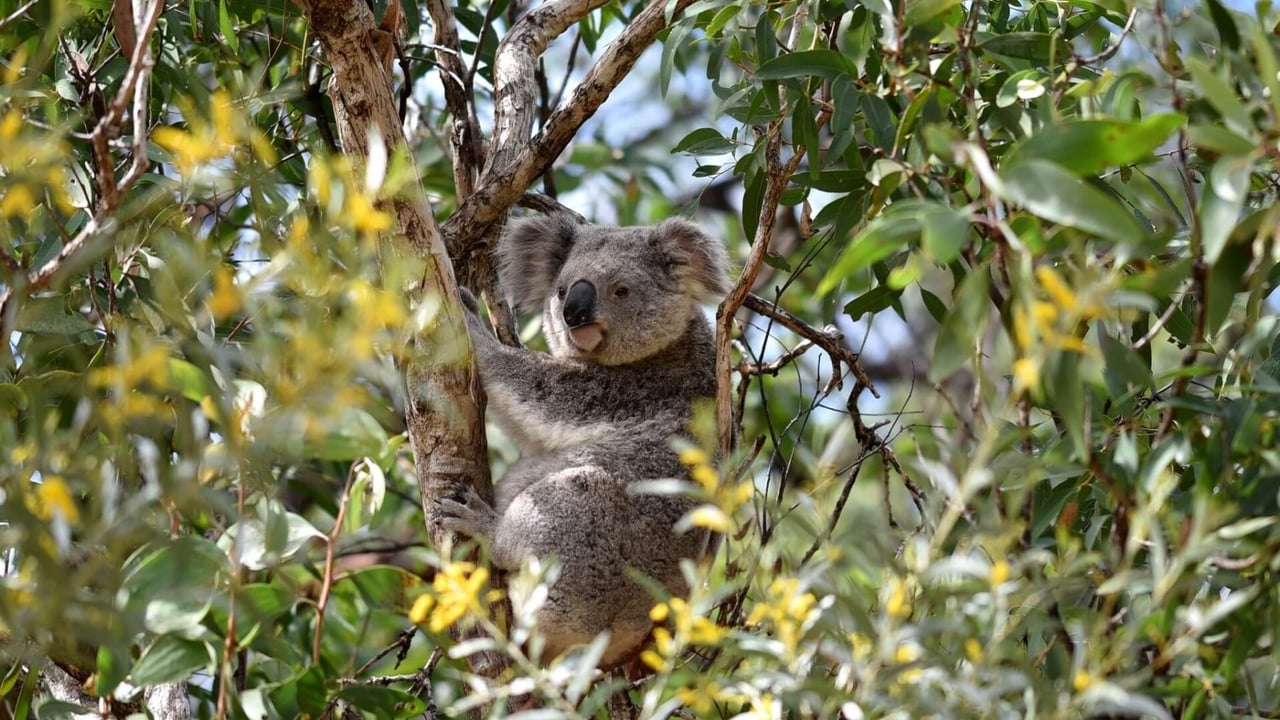
A good wildlife sanctuary helps visitors understand wildlife, while also putting the animals' needs ahead of profit. Recently we visited the Koala Conservation Reserve on Phillip Island, and I wrote about this animal-friendly experience on my blog.
As parents, those are exactly the kinds of places we want to support. At the end of the day, we want our boys to grow up appreciating wildlife for what it is, not for entertainment purposes.
3. If you can ride, hug or take a selfie with a wild animal... give it a miss
This has probably become the easiest rule for our family.
Years ago, many of us grew up thinking dolphin shows, elephant rides or close encounters with wild animals were simply part of travelling. It wasn't something most people questioned.
But the more I've learnt about wildlife conservation and animal welfare, the more I've realised these experiences often don't put the animals first.
Now, if an attraction encourages visitors to ride, hug, perform with or pose for selfies with a wild animal, it's usually a sign that the experience isn't focused on what's best for the animal at all.
It's not about blaming people who've visited these attractions before. It's about recognising that today we have more information, and because of that we can make kinder choices moving forward.
These types of experiences can also create a completely unnatural environment for animals. Wild animals aren't naturally seeking out constant human interaction, being touched, handled or performing on demand. The repeated exposure to crowds, noise and unfamiliar situations can be incredibly stressful, and it can encourage animals to display behaviours that they wouldn't normally show in the wild.
A dolphin doesn't naturally jump through hoops for entertainment, an elephant doesn't naturally carry people on its back, and a koala doesn't naturally spend its day being passed between strangers for photos.
4. I want my kids to appreciate animals, not just be entertained by them
Some of our best conversations happen after we've seen wildlife.
Instead of asking, "What trick did the animal do?"
We're asking things like:
- Where does that animal live?
- What do they eat?
- Why are they important?
- How can we help protect them?
Those conversations are far more valuable than a performance.
Whether we're spotting dolphins in the ocean, watching a koala quietly resting or seeing kangaroos grazing in the distance, it reminds the boys that these animals have lives beyond us.
We aren't the centre of their world. We're simply visitors.
My hope is that this is a mindset that they'll carry with them as they grow older.
Activities for Kids
Looking for something fun to do for the kids? Explore our colouring sheets, animal mazes, origami, word searches and more.
5. The best wildlife memories are never planned
One thing I've learnt about travelling with kids is that the moments you remember most are rarely the ones you planned.
It's the pod of dolphins unexpectedly appearing beside the boat.
The koala quietly sleeping high in a gum tree.
The whale surfacing in the distance.
The echidna wandering across a walking track.
Those experiences aren't choreographed. You can't schedule them and, somehow, that makes them even more special.
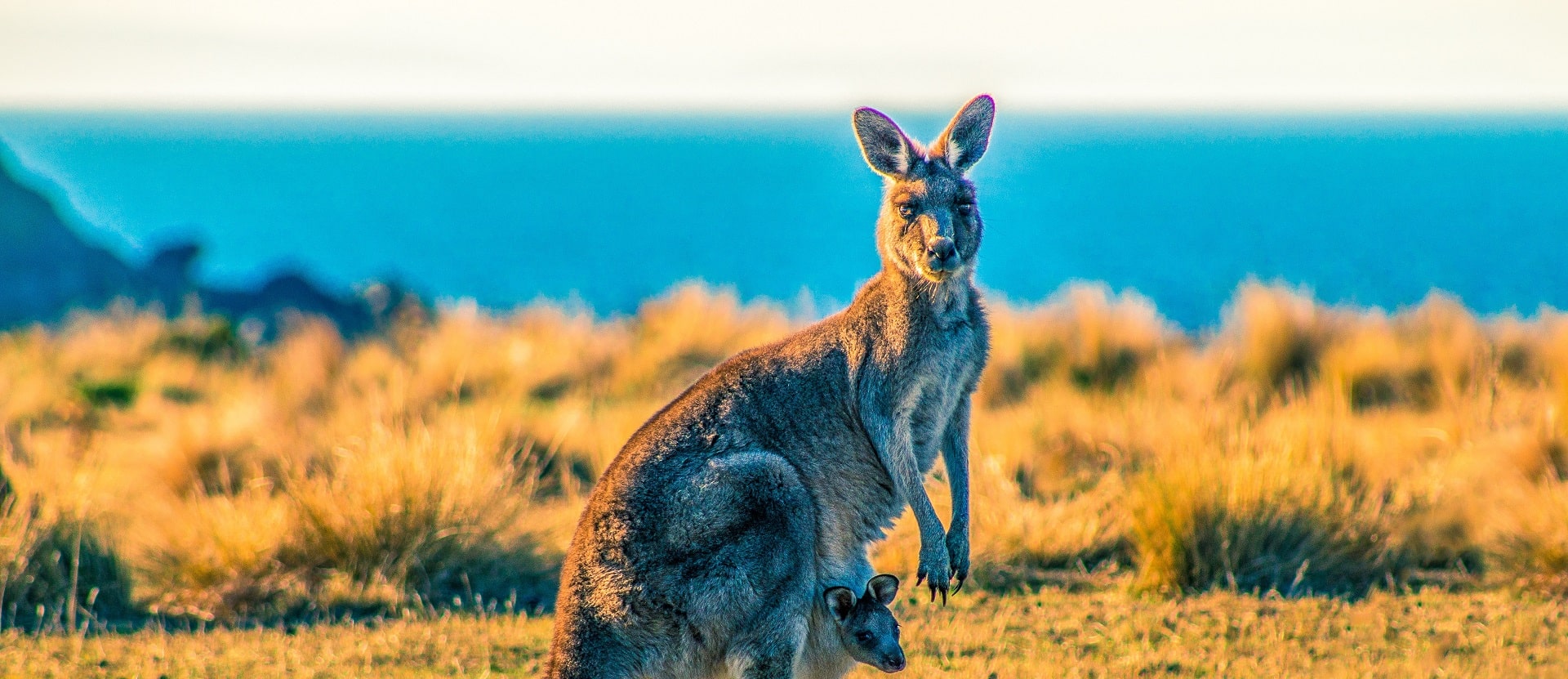
Our boys still talk about seeing kangaroos hopping in the distance when we woke up in the morning when we were camping.
Our choices do matter
Australia is home to some of the world's most incredible wildlife, and we all have the opportunity to help protect it through the choices we make.
As parents, every wildlife experience becomes a chance to teach our children something. By choosing wildlife-friendly experiences, supporting ethical wildlife sanctuaries and appreciating animals in their natural habitat whenever possible, we're helping show the next generation that wildlife deserves our respect.
So, beyond the photos and experiences themselves, we hope these moments help our boys develop a deeper respect for wildlife, understand the importance of conservation, and recognise that animals are at their most incredible when they are free to live as nature intended.
Words by Jack Rock – check out his Instagram here for vegan food, family and lifestyle tips.
That Vegan Dad
Check out Jack Rock's Instagram for vegan food, family and lifestyle tips.
Responsible wildlife travel
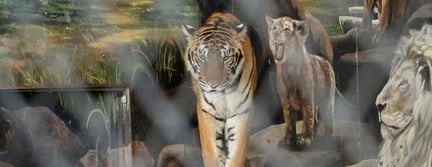
If a venue that houses wildlife allows you to ride, hug, cuddle or take a selfie with a wild animal, cruelty is surely involved.