Indonesia takes world‑leading step
Mason Elephant Park and Bali Zoo end elephant rides after the Indonesian Government issued a new directive urging tourism operators to respect elephants.
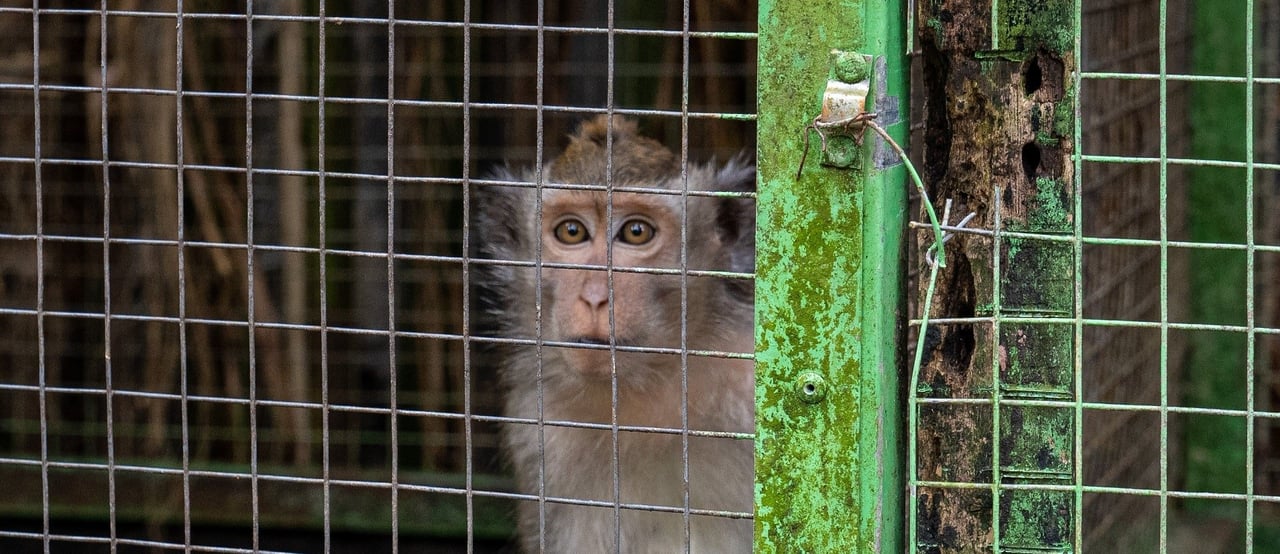
Image credit: World Animal Protection / Andito Wasi
Popular wildlife tourist venues on these islands have been marketing cruel wildlife experiences as harmless holiday fun, but the reality is far from it.
If an activity allows you to interact with a wild animal in a way that you wouldn’t be able to in the wild, you can be assured cruelty is involved.
Wild animals are ripped from their mothers or bred in substandard captive conditions and trained using inhumane methods to spend a lifetime of misery.
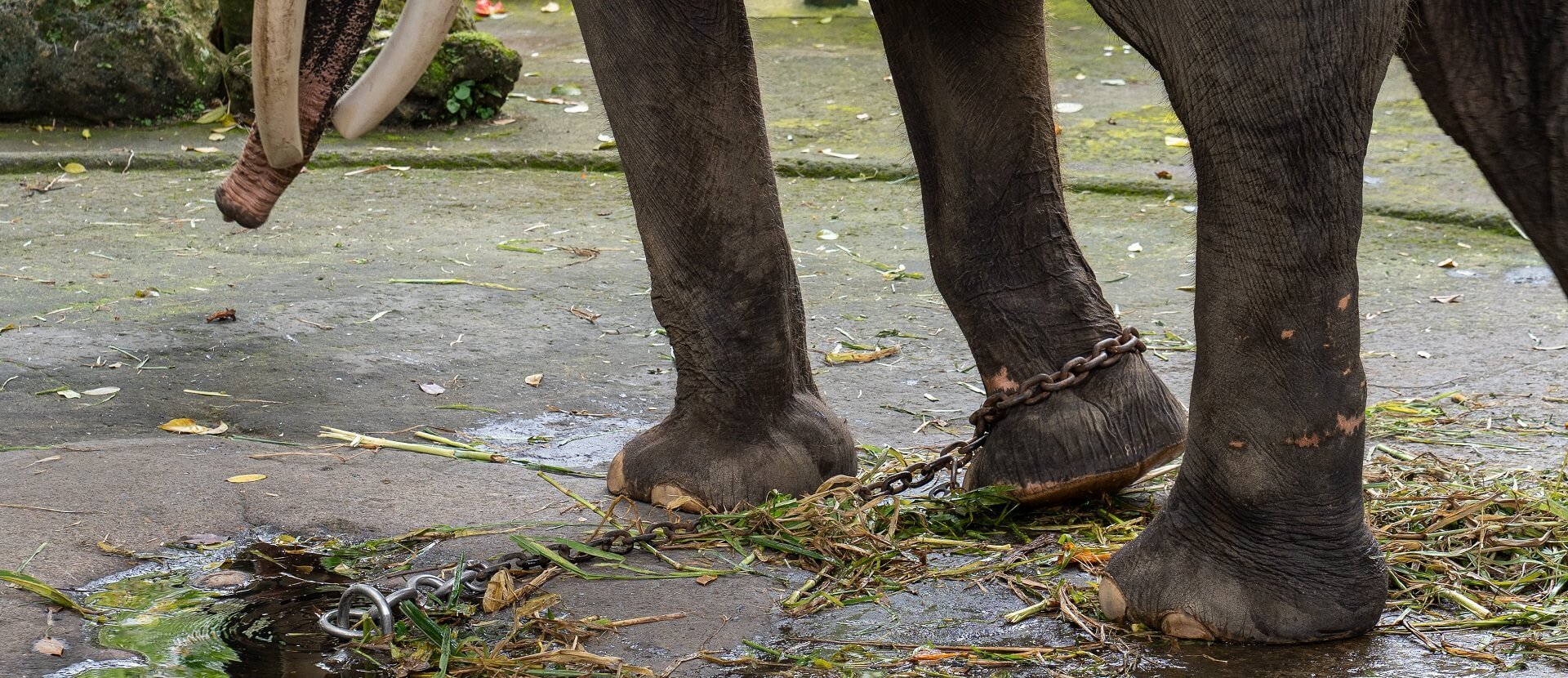
Image credit: World Animal Protection / Andito Wasi
The breeding and use of captive wild animals in tourism is a lucrative business, driven by tourist demand and commerce.
Animals are sentient beings who can experience positive emotions such as happiness and joy, as well as negative ones such as fear and pain.
Sadly, wild animals like elephants, dolphins and orangutans are trained using cruel methods such as hitting, isolation and starvation until they behave in a certain way – all so they can perform in shows and activities at wildlife tourism venues. This has a devastating impact on their physical and mental well-being.
However, many wildlife entertainment venues deceive tourists into thinking they are helping conserve endangered animals through misleading marketing and “humane washing”.
Captive breeding in entertainment venues does not have any genuine benefit to conservation because it is highly unlikely that any of the animals born in captivity will ever be released into the wild.
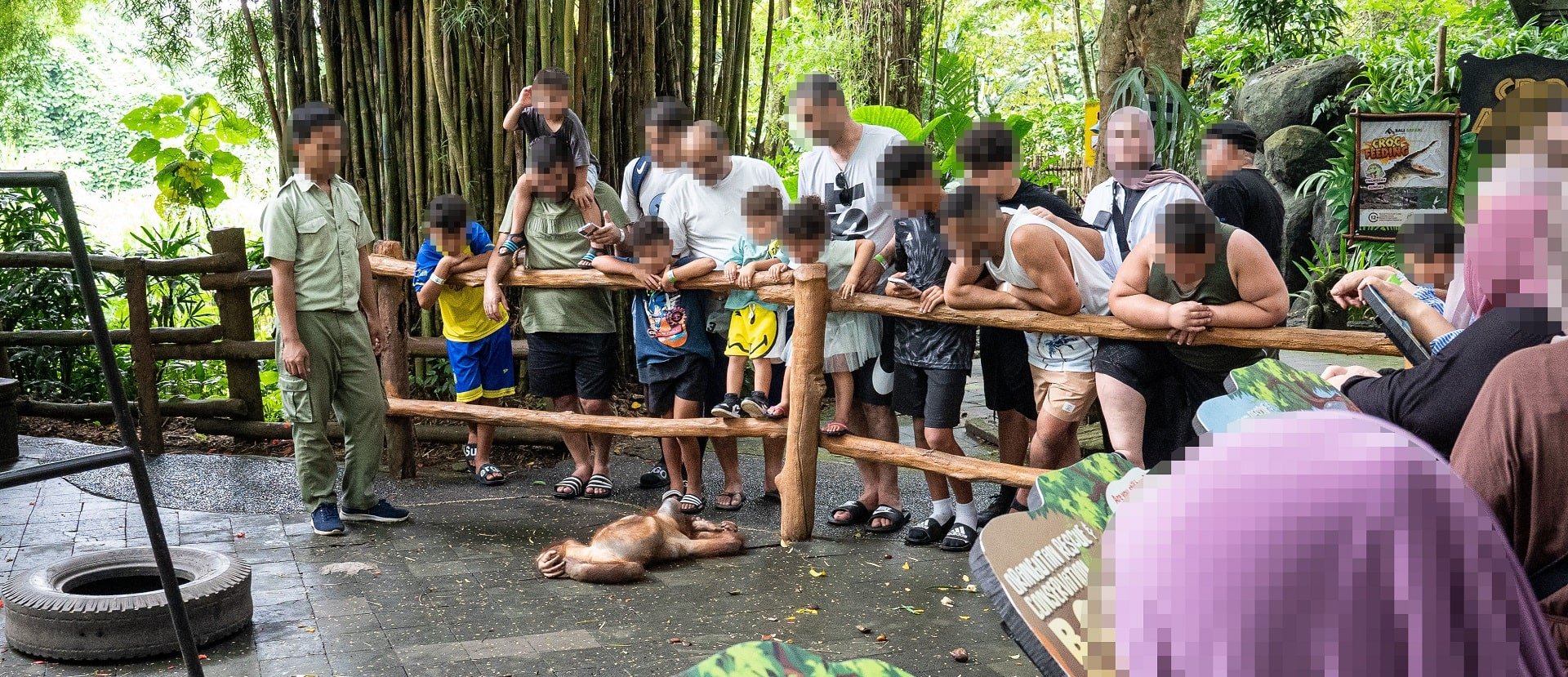
Image credit: World Animal Protection / Andito Wasi
To prevent more wild animals from being taken from the wild, bred in captivity and ultimately abused for wildlife tourism, together, we have to reduce the demand for cruel wildlife tourism performances and activities.
The livelihoods of many locals on these islands depend on tourists, but that doesn't mean wild animals have to suffer.
Wildlife tourism, when properly and responsibly managed, can be good for the environment and wild animals. It can also support the protection of natural areas, improve animal welfare, and support community development.
Tourists have great power to support such responsible wildlife tourism by safely observing wild animals in their natural habitat, or visiting genuine sanctuaries and wildlife-friendly facilities that support genuine conservation or are part of phasing out the use of captive wild animals for tourist entertainment.
Travel companies, too, play a massive role in driving down the demand and ending the exploitation of these sentient beings. They must act responsibly and stop the sale of wildlife encounters, performances and accommodation in places that house wild animals.
As part of our 2017 investigation into captive wildlife entertainment in Bali and Lombok, several prominent travel companies and airlines were discovered promoting and selling tickets to these venues. As a result of our report and direct advocacy, Flight Centre and Helloworld removed content promoting these cruel interactions.
In December 2025, the Bali Province Conservation and Natural Resources Agency called for respect for elephants and for tourism attractions to shift away from elephant riding. The move has already triggered big changes at some of Bali's well‑known captive wildlife venues.
In early 2026, popular venue Bali Zoo announced an end to cruel elephant rides. And just days later, Mason Elephant Park halted elephant riding following two government warnings surrounding their previous refusal to shift away from elephant rides.
This wonderful win for elephants comes after years of tireless advocacy, including the 10,000+ Indonesians, Australians and New Zealanders who signed our petition.
Thank you for your support. Together, we can make this the last generation of elephants to suffer for rides in the name of tourism.
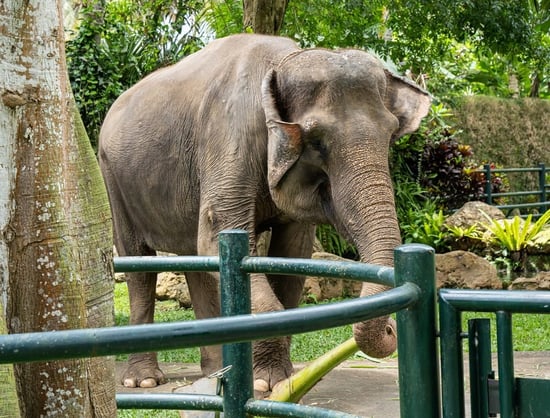
Mason Elephant Park and Bali Zoo end elephant rides after the Indonesian Government issued a new directive urging tourism operators to respect elephants.
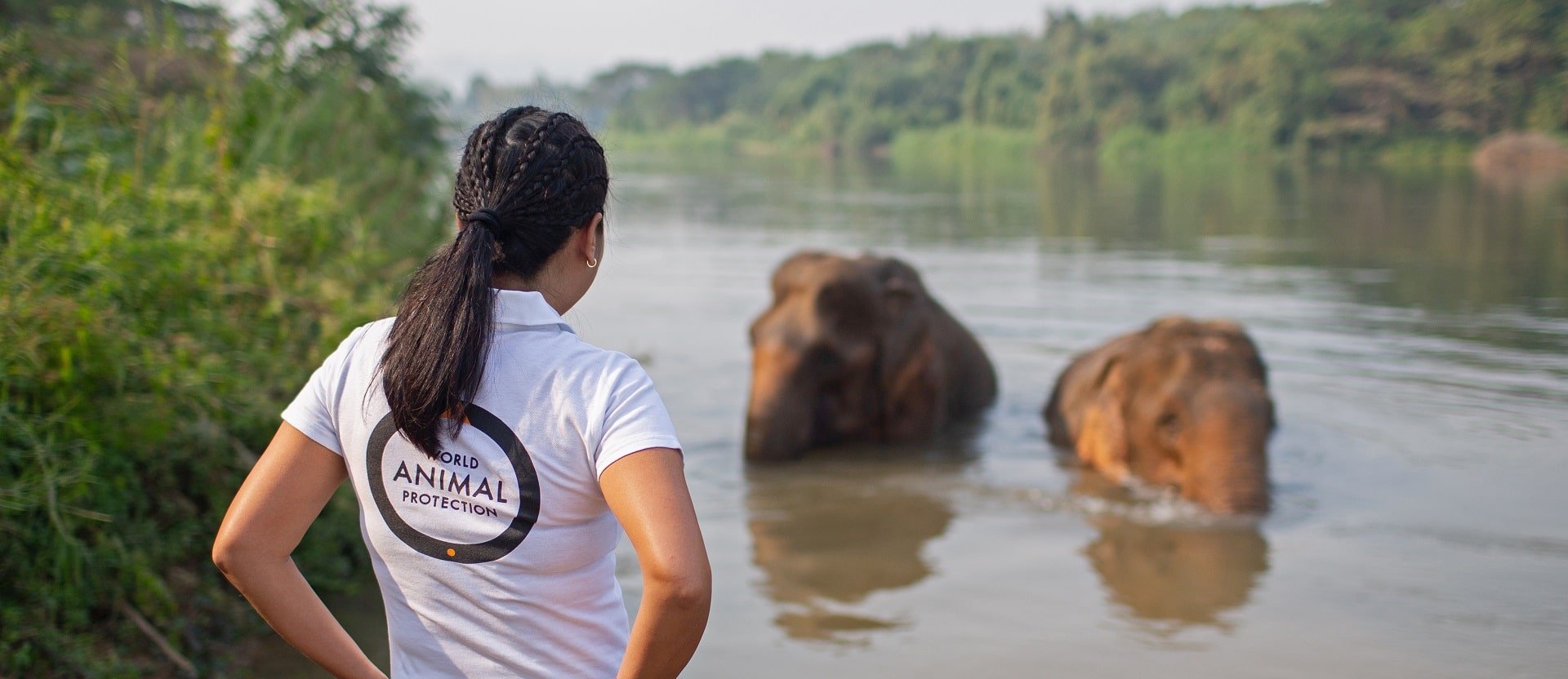
While there are currently no responsible ways to witness wildlife in Bali and Lombok, here are some handy tips for when you’re looking to encounter wildlife in any part of the world:
Together, we can play our part to protect wild animals and help keep them thriving in the wild, where they belong.
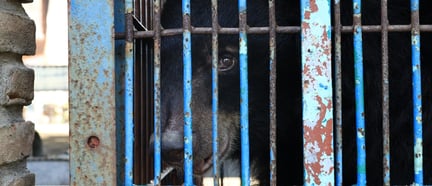
Take action today by signing our petitions and pledging to make animal-friendly choices.

Ask the Federal Government to end the cruel crocodile skin trade.

Every animal deserves a life worth living – from captive monkeys used for entertainment to mother pigs in cages in factory farms.
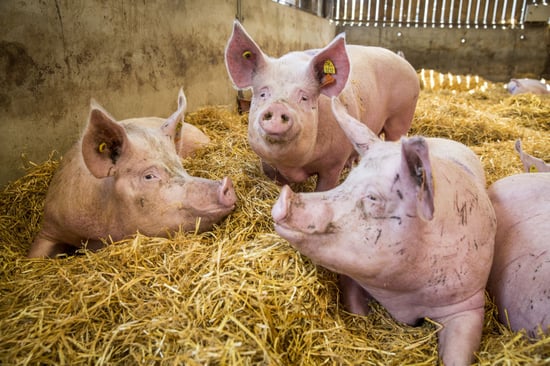
Join thousands of animal lovers fighting to protect wildlife and give farmed animals good lives. Sign up now to receive emails with all the ways you can help.
Sign up