
Chicken Facts
Common name: Chicken
Scientific name: Gallus gallus domesticus
Distribution: Worldwide
Image credit: Valerie Kuypers / World Animal Protection
Did you know all domestic chickens are descended from wild junglefowl that are native to Southern Asia but they have been living with humans for more than 5,000 years? Here are some more fascinating chicken facts for you.
Chickens are way more intelligent and sensitive than many people think. These clever creatures are the closest living relatives to the Tyrannosaurus Rex.
Chickens also have very interesting bone structures; they have more bones in their necks than giraffes and all their bones are very light. Some of their bones are hollow and called ‘pneumatic bones’. They actually form part of chickens’ respiratory systems and work with the lungs to help them breathe.
Like people, and many other animals, different chickens have different personalities. Some birds are bold and feisty, others are shy and cautious. These personalities are key to helping chickens arrange themselves and their flock into a ‘pecking order’.
Chickens also have brilliant eyesight. They can see both close-up objects and panorama views clearly and can identify different colours, which helps them search for food. Interestingly they can distinguish people they know from strangers.
Chickens explore great distances foraging for food, scratching at the ground to reveal seeds and insects. They will warn each other of potential danger and communicate with over 30 different calls. A rooster will often call to hens when he has discovered food, and hens will do the same to help their chicks eat.

Chickens just for eggs
Layer hens have been specifically selected for their high egg production.
Each hen produces approximately 300 eggs a year with approximately 550 million dozen eggs laid in Australia annually.
There are now over 21 million layer hens in Australia, 9 million of which are housed in battery cages with little more than an A4 piece of paper – that’s half of all layer hens.
Hens in factory farms will live for around 72 weeks until they are considered unproductive or 'spent'.

Chickens used for meat
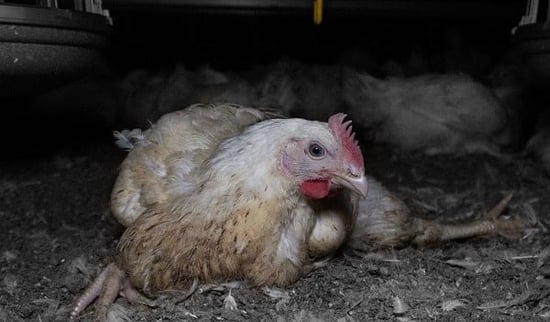
Broilers or meat chickens have been genetically selected to grow and grow, reaching their ‘slaughter weight’ as fast as possible. And it's this rapid growth, that presents the biggest welfare challenges. A 30g chick can reach slaughter weight, around 2kg, in as little as 6 weeks.
That’s the equivalent of a 3kg newborn human baby reaching 300 kilograms in 2 months.
Chicken is one of the world’s most popular meats with around 70 billion chickens reared for meat each year. Each year more than 700 million chickens are produced for meat in Australia and most are factory farmed in sheds with more than 40,000 birds.
 Image credit: Misssheep
The problem with factory farming chickens
Globally about two-thirds of chickens reared for meat each year (75 billion birds) are kept in factory farming systems made up of huge, crowded sheds, or cramped cages – often with no room to move, natural light or fresh air. These chickens suffer at every stage of their short lives.
Chickens are bred to grow unnaturally large and unnaturally quickly. Due to their overgrown size and growth rate, these chickens suffer from conditions such as:
- Painful lameness
- Overworked hearts and lungs
- Wounds including skin sores and burns
As farms become increasingly industrialised to meet the growing global demand for chicken meat, chickens are bred to grow much faster than they traditionally did. This can come at an enormous cost to the welfare of the birds.


An industrial chicken shed can hold tens of thousands of birds. This extreme overcrowding can make it difficult for chickens to move or behave naturally, unable to peck or spread their wings.
Many industrial chicken sheds are bare except for lines of food and water dispensers. Chickens are often unable to perform natural behaviours, such as perching, foraging, exploring and dust-bathing. These activities would normally keep them active and healthy.
Chickens use vision as their main sense, and their colour vision is very well developed and designed to be used in brightly lit conditions. Despite this, most industrially farmed chickens spend their whole lives in gloomy, closed sheds without any natural light. This means that the chickens tend to move around less, which can lead to leg problems.
The unnatural conditions in factory farms deny chickens their instinctual behaviours and can cause extreme psychological and physical suffering.

How you can help chickens
You can help chickens and other farm animals live a better life by making informed decisions at the grocery store.
Reduce the amount of chicken meat you purchase and only buy slow-grown, high-welfare meat or genuine free-range eggs when you choose to eat it.

Fast Food, Slow Progress
Australian fast-food companies are falling behind the rest of the world when it comes to chicken welfare.
In the news
-
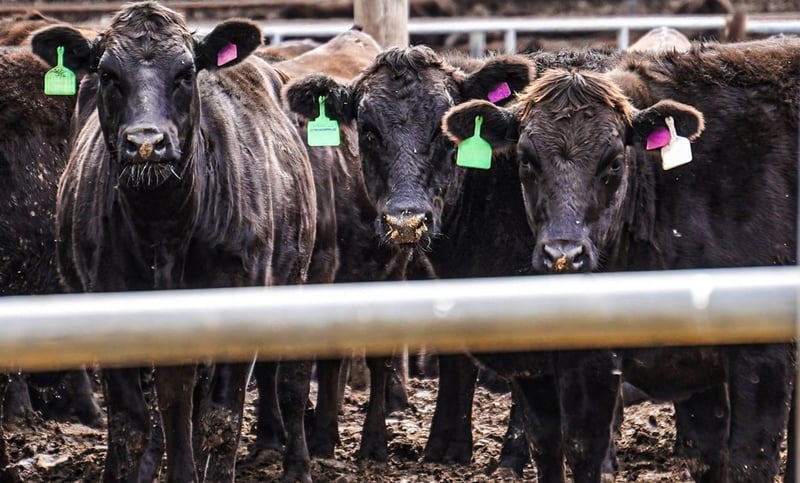
JBS, Australia’s largest meat company avoiding millions in taxes...
News
New reports expose how JBS, Australia’s largest meat and processing company, has created a web of offshore companies...
-

Pension fund giant, ABP, stops investing in factory farming
News
One of the world’s largest pension funds, ABP, was moved to adopting an animal welfare policy after you...
-
Feedlots in Australia: everything you need to know
News
Did you know Australia has about 400 accredited beef cattle feedlots, most of which are located in Queensland...
-

Maned wolves safeguarded from drowning in Brazil
News
You are playing a vital role in protecting ‘Near Threatened’ maned wolves like Barão and his family of...

Keep up to date
Join thousands of animal lovers fighting to protect wildlife and give farmed animals good lives. Sign up now to receive emails with all the ways you can help.
Sign up